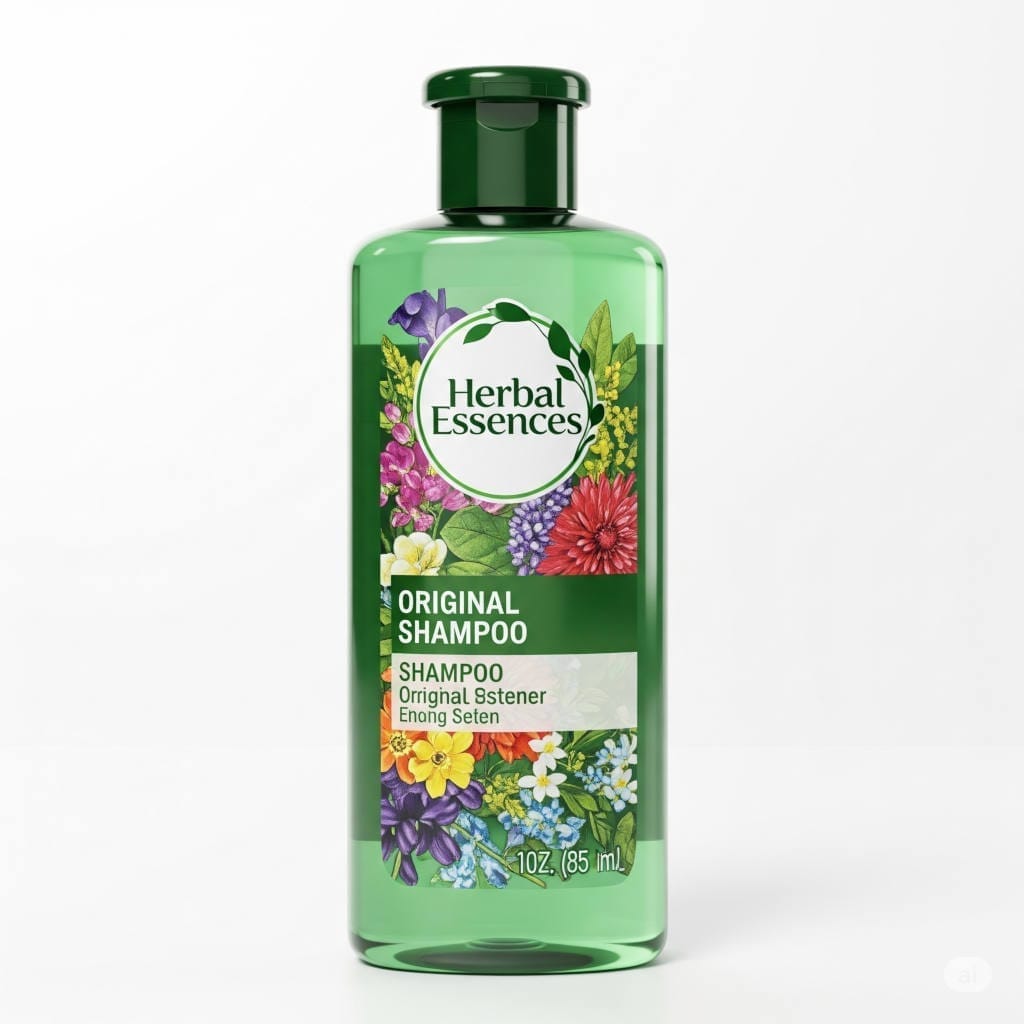
Do you ever catch a whiff of something that instantly takes you back to your college dorm room or your first apartment? For countless people, that scent trigger is the original Herbal Essences shampoo. You know the one – that perfect blend of flowers and herbs that made every shower feel like a mini spa session.
If you’ve been searching high and low for something that captures that same magical fragrance, you’re definitely not alone. The original formula disappeared from most shelves years ago, leaving behind a devoted fan base still hunting for the perfect alternative. Let’s dive into everything you need to know about finding your next favorite scent that brings back those beloved memories.
What Made the Original So Special?
Before we start our hunt for alternatives, let’s talk about what made that original Herbal Essences scent so unforgettable. It wasn’t just one thing – it was a carefully orchestrated symphony of fragrances that hit all the right notes.
The magic started with chamomile and lavender forming the backbone of the scent. These weren’t overpowering or medicinal-smelling like some herbal products can be. Instead, they created this soft, comforting base that immediately made you think of luxury spas and expensive treatments.
Then came the floral middle notes – jasmine and rose that added just enough romance without making the whole thing smell like your grandmother’s perfume. What really set it apart, though, were those fresh green notes. Think freshly cut grass on a spring morning, mint leaves, and that clean smell of rain on leaves. These green elements kept the fragrance from being too heavy or cloying.
The real genius was in the base notes – a subtle hint of sandalwood and vanilla that gave the whole thing depth and staying power. Your hair would smell amazing hours after washing, which isn’t something you can say about most drugstore shampoos today.
This complex layering is exactly why finding a perfect dupe is so challenging. Most modern shampoos go for simple, obvious scents rather than this kind of sophisticated blending.
Why We’re So Attached to This Particular Scent
Here’s something fascinating: our sense of smell is wired directly to the parts of our brain that handle emotions and memories. That’s why a single whiff can transport you back to a specific moment more powerfully than looking at old photos or hearing a song from that era.
For many of us, the original Herbal Essences represents more than just a pleasant shampoo. It’s tied to important life moments – maybe it was your go-to product during college, or it reminds you of getting ready for dates, or it was part of your self-care routine during a particularly challenging time in your life.
When Procter & Gamble reformulated the line in the mid-2000s, they weren’t just changing a product – they were essentially erasing a scent memory that had become part of people’s daily lives. That’s why the search for alternatives feels so important and personal.
Understanding this emotional connection helps explain why some people will spend years trying different products, hoping to recapture that exact feeling. It’s not just about liking how something smells; it’s about reconnecting with a piece of your personal history.
How Today’s Herbal Essences Compares
If you’ve picked up a bottle of Herbal Essences recently hoping to relive the magic, you’ve probably noticed it’s just not the same. The current formulations are brighter, more synthetic, and much simpler than what we remember.
Today’s versions focus on single-note fragrances or very obvious combinations. You’ll find coconut milk, argan oil, or specific flowers like hibiscus or rose. While these smell pleasant enough, they lack the sophisticated complexity that made the original so special.
The staying power is different too. The current formulas tend to fade quickly from your hair, whereas the original would linger for hours, giving you these lovely scent trails throughout the day.
This shift reflects broader changes in how beauty products are made and marketed today. Companies often prioritize cost-effectiveness and broad appeal over the kind of nuanced fragrance work that went into products like the original Herbal Essences.
Hair Care Products That Come Close
Let’s get practical. After trying dozens of products over the years, here are the hair care alternatives that actually deliver some of that original Herbal Essences magic:
Avalon Organics Lavender Nourishing Shampoo is probably your best bet for capturing the sophisticated herbal quality of the original. The organic lavender doesn’t smell medicinal or overwhelming, and they’ve added chamomile and other botanicals that create that spa-like complexity we all miss. It’s more expensive than drugstore options, but the fragrance experience is worth it.
Desert Essence Italian Red Grape Shampoo might sound like an odd choice, but hear me out. The grape notes provide a subtle fruitiness that isn’t too sweet, while the herbal undertones maintain that garden-fresh quality. It’s one of the few products I’ve found that actually has layers of scent rather than just hitting you with one obvious note.
For those willing to splurge, Kiehl’s Amino Acid Shampoo offers the kind of sophisticated fragrance experience that characterized premium hair care in the Herbal Essences era. It’s pricey, but the complex scent profile and excellent performance make it a worthy investment for special occasions or when you really want to treat yourself.
Burt’s Bees Very Volumizing Pomegranate Shampoo combines fruit notes with herbal undertones in a way that feels both natural and indulgent. The brand’s commitment to natural ingredients creates fragrances that have the authentic botanical quality many people remember from the original formula.
Nature’s Gate Herbal Shampoo in their original formula comes surprisingly close to the mark. They use a blend of herbs and botanicals that creates a complex, layered scent reminiscent of the original Herbal Essences. It’s become harder to find in stores, but it’s available online and definitely worth trying.
Beyond Shampoo: Fragrance Alternatives
Sometimes the closest you can get to that beloved scent isn’t through another hair product but through perfumes and body sprays. Here are some fragrances that capture different aspects of the original Herbal Essences experience:
Elizabeth Arden Green Tea is hands down the closest perfume match I’ve found. The combination of green tea, jasmine, and mint creates that fresh, herbal quality that made the original shampoo so appealing. It’s not identical, but it captures the same mood and feeling. Plus, it’s readily available and reasonably priced.
Clinique Happy works particularly well if you remember the brighter, more optimistic aspects of the original fragrance. The citrus, floral, and green notes create a clean, uplifting scent that shares the approachable luxury of the original formula. It’s become a classic for good reason.
The Body Shop White Musk might seem like an unexpected choice, but the clean, soft quality pairs beautifully with their botanical body sprays. Layer the White Musk with their Camomile or their discontinued Dewberry for something remarkably close to the original Herbal Essences vibe.
For budget-conscious options, Bath & Body Works has several scents that overlap with the original. Their Cucumber Melon has fresh, green opening notes, while Beautiful Day combines florals with clean, airy notes that can evoke similar feelings, even if the specific scent profile is different.
Creating Your Own Perfect Blend
If you’re feeling adventurous and want more control over your fragrance experience, creating your own blend might be the answer. This approach takes some experimentation, but it can yield surprisingly accurate results.
Start with high-quality essential oils. For the floral heart of the fragrance, you’ll want lavender, chamomile, jasmine, and rose. Roman chamomile tends to be less medicinal-smelling than German chamomile, making it a better choice for this type of blend.
For those crucial green notes, try peppermint or spearmint oil (use sparingly – a little goes a long way), along with some eucalyptus or tea tree oil for that fresh, clean quality. Some people swear by adding a tiny amount of grass essential oil if you can find it.
The base notes are where you can really customize the blend to your memory. Sandalwood provides warmth and depth, while a touch of vanilla adds sweetness without being cloying. Cedarwood can work as a sandalwood substitute if you’re looking for something more budget-friendly.
Here’s a basic recipe to start with:
- 10 drops lavender
- 5 drops chamomile
- 3 drops jasmine
- 2 drops rose
- 1 drop peppermint
- 2 drops sandalwood
- 1 drop vanilla
Mix these in a small glass bottle and let them blend for at least 24 hours before testing. You can add this mixture to unscented shampoo, use it as a hair mist when diluted with water, or even wear it as a personal fragrance.
The key is patience and small adjustments. Start with less of the stronger oils (like peppermint and jasmine) and add more gradually until you achieve the balance you’re looking for.
Home and Environment Scents
Sometimes you want to recreate that Herbal Essences experience beyond just personal care products. Creating a scented environment can be just as emotionally satisfying as finding the perfect shampoo alternative.
Yankee Candle’s Garden Sweet Pea captures many of the floral elements in candle form. The sweet pea, jasmine, and green notes create an atmosphere that’s remarkably reminiscent of that luxurious shower experience. Light it while you’re getting ready, and you’ll be amazed how it can transport you back.
Bath & Body Works Wallflowers in Fresh Cucumber or Eucalyptus Mint provide continuous room fragrance that shares the clean, herbal quality of the original shampoo. While not exact matches, they create similar sensory environments that can trigger related scent memories.
Essential oil diffusers offer the most customizable option. Using the blend ratios mentioned earlier, you can create a bathroom atmosphere that closely approximates the original Herbal Essences experience. This works particularly well during and after showers, when the steam helps distribute and intensify the fragrance.
Febreze Botanical Bliss or similar room sprays can provide quick scent boosts that share some of the herbal, garden-fresh qualities we’re looking for. They’re not perfect matches, but they can help maintain that fresh, clean feeling throughout the day.
International and Specialty Finds
One of the most exciting aspects of this search is discovering that sometimes the best alternatives come from unexpected places. Different markets around the world often have access to formulations that are closer to what we remember.
European drugstores sometimes carry hair care products with more complex, traditional fragrance profiles. Brands like Schwarzkopf and L’Oreal Paris offer formulations in European markets that incorporate more sophisticated herbal and floral blending than their American counterparts.
UK Superdrug has their own-brand products that sometimes capture that old-school complexity we’re looking for. Their Extracts line, when available, uses traditional fragrance approaches that feel more similar to products from the 1990s and early 2000s.
Online specialty retailers focusing on vintage or discontinued beauty products occasionally stock original or close-to-original Herbal Essences formulations. Sites like FragranceX or Beauty Brands Outlet sometimes have old stock that’s closer to the original formula.
Etsy has become a goldmine for custom hair care products. Small-batch producers often create products inspired by discontinued favorites, and many are willing to work with customers to recreate specific scent profiles. Search for terms like “vintage Herbal Essences” or “custom herbal shampoo” to find these artisan options.
Understanding Why Some Alternatives Work Better Than Others
Here’s something important to understand: scent perception is incredibly personal. What smells exactly like the original Herbal Essences to one person might smell completely different to another. This variation comes from differences in our genetics, personal scent memories, and even our current mood or health status.
Some people are more sensitive to floral notes, while others pick up on the herbal or green elements more strongly. Your personal connection to the original scent might be tied to a specific aspect that another person doesn’t even notice.
This is why reading reviews and recommendations can only get you so far. The most successful approach is often to try multiple alternatives and be open to products that capture the essence or feeling of the original rather than providing exact duplication.
The products that tend to work best are those that understand the emotional and sensory experience of the original. They create similar feelings of luxury, cleanliness, and natural beauty, even when their specific fragrance profiles differ from what we remember.
Modern Challenges in Recreating Classic Scents
The beauty industry has changed dramatically since the original Herbal Essences was formulated, creating real challenges for both exact recreation and similar alternatives. Many of the synthetic fragrance molecules that gave the original its distinctive character and longevity are now restricted or avoided due to potential allergens or environmental concerns.
Consumer preferences have also shifted toward more natural and transparent ingredient lists. While this is generally positive, it can make it difficult to recreate the exact sensory experience of products that were formulated when synthetic fragrances were more widely accepted.
Additionally, modern manufacturing processes often favor simpler, more cost-effective formulations over the complex, layered compositions that characterized premium products of the 1990s and early 2000s. This industry-wide trend affects not just Herbal Essences but many beloved beauty products from that era.
Tips for Your Own Search Journey
Based on years of hunting for the perfect alternative, here are some practical tips that can help your own search:
Start with samples when possible. Many online retailers offer sample sizes or travel versions of products. This lets you test multiple options without committing to full-size bottles that might disappoint.
Pay attention to the base notes. While the floral and herbal top notes get most of the attention, the base notes are often what create lasting scent memories. Look for products that mention sandalwood, vanilla, or warm wood notes in their descriptions.
Consider layering products. Sometimes combining a simple herbal shampoo with a complementary body spray or hair mist can create the complex scent profile you’re looking for better than any single product.
Don’t dismiss men’s products. Some men’s grooming products, particularly those marketed as “fresh” or “botanical,” can have the clean, herbal qualities we’re seeking without being overly floral.
Keep notes on what you try. With so many options available, it’s easy to forget which products you’ve tested and what specifically you liked or disliked about each one.
Be patient with blending. Whether you’re creating your own essential oil blend or layering multiple products, fragrances need time to develop and settle. What smells wrong initially might be perfect after a few hours.
The Psychology of Scent Replacement
Understanding the emotional aspect of this search can actually help you be more successful in finding satisfying alternatives. The goal isn’t necessarily to find an exact chemical match to the original Herbal Essences – it’s to find something that creates similar emotional responses and scent memories.
This means that sometimes a product that smells quite different from the original might actually work better for you if it creates the same feelings of luxury, cleanliness, or comfort. Stay open to products that might not seem like obvious choices but that make you feel the way the original Herbal Essences did.
It’s also worth acknowledging that our scent memories can change over time. What you remember about the original might be influenced by other experiences, emotions from that time period, or even the specific environment where you typically used the product. This is normal and doesn’t make your search any less valid.
Budget-Friendly Options That Deliver
Not everyone wants to spend a fortune on their search for the perfect alternative. Here are some wallet-friendly options that can still deliver that herbal, luxurious experience:
VO5 Herbal Escapes line, when you can find it, offers surprisingly sophisticated scents for a drugstore brand. The chamomile and lavender varieties, in particular, can evoke memories of the original Herbal Essences.
Suave Professionals has occasionally released limited-edition scents that capture some of the complexity we’re looking for. Their botanical collections are worth checking out when they appear.
Dollar Tree and similar discount stores sometimes carry overstock from higher-end brands. It’s worth checking their beauty sections regularly for unexpected finds.
Generic store brands can sometimes surprise you. Target’s Up & Up brand and CVS’s Beauty 360 line have both released herbal-scented products that punch above their weight class in terms of fragrance complexity.
Making Peace with the Search
After years of hunting for the perfect Herbal Essences alternative, I’ve come to realize that the search itself has become part of the enjoyment. Each new product I try is an opportunity to discover something unexpected, and even the failures teach me more about what I’m really looking for.
Maybe the perfect dupe doesn’t exist, and maybe that’s okay. The original Herbal Essences was a product of its time – a specific combination of ingredients, regulations, consumer preferences, and manufacturing processes that created something special. Trying to recreate it exactly might be missing the point.
Instead, the search can lead us to new favorites that create their own special memories. That Avalon Organics lavender shampoo might not smell exactly like the Herbal Essences of your college years, but it might become the scent you associate with this current chapter of your life.
The Elizabeth Arden Green Tea perfume might not be an exact match, but it could become your signature scent – something that makes you feel confident and beautiful in the here and now.
Your Next Steps
Ready to start your own search? Here’s a practical action plan:
- Make a list of the specific aspects of the original Herbal Essences that you remember most clearly. Was it the floral notes? The fresh, clean feeling? The way it made your hair smell hours later?
- Start with one or two products from the recommendations above that sound most appealing to you. Don’t try to test everything at once – give each product a fair chance to work with your hair and skin chemistry.
- Consider your budget and priorities. Are you looking for an everyday shampoo, a special occasion fragrance, or something in between?
- Be patient with the process. Your first try might not be perfect, but each attempt gets you closer to understanding what you’re really looking for.
- Share your discoveries. Whether it’s online reviews, social media posts, or conversations with friends, sharing what works (and what doesn’t) helps build a community of people on similar searches.
The perfect Herbal Essences alternative might be out there waiting for you to discover it. Or you might find something even better – a new favorite that creates its own special place in your daily routine and your scent memories.
Either way, the journey of discovery is part of the fun. Every new fragrance is a chance to create new memories while honoring the ones that brought you to this search in the first place. Happy hunting!