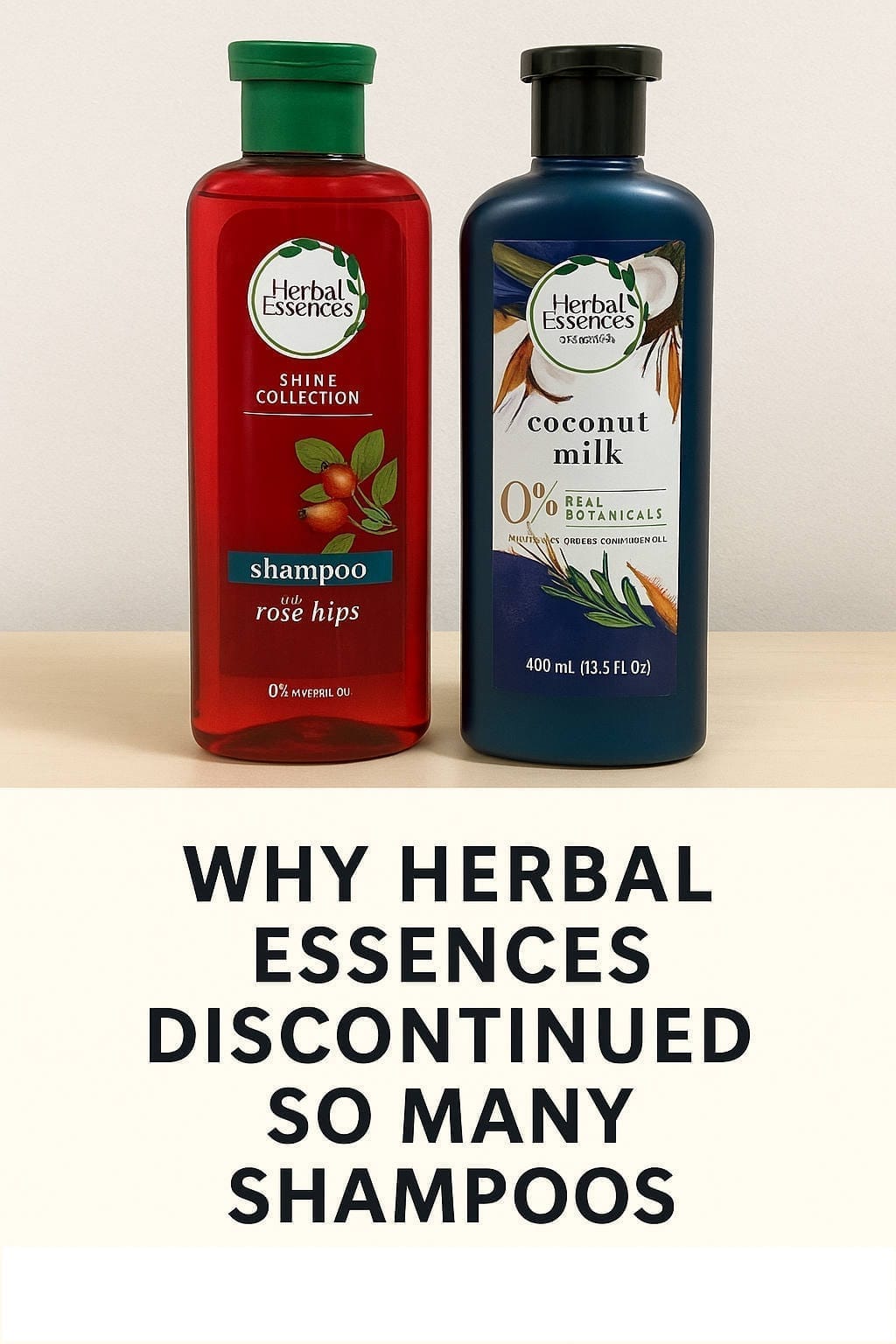
For decades, Herbal Essences was more than just a shampoo brand. It was a beauty staple, a nostalgic scent from our youth, and a trusted favorite for clean, soft, and great-smelling hair. The iconic commercials, the rich floral fragrances, and the unmistakable feeling of freshness made Herbal Essences stand out in a crowded market.
So, when consumers began noticing their favorite Herbal Essences shampoos disappearing from store shelves or showing up with new, unfamiliar formulations, confusion and frustration followed. Why did Herbal Essences discontinue so many of its beloved products? What really happened to those classic scents and trusted formulas?
This guide explores the multiple layers behind the discontinuation of Herbal Essences shampoos, from corporate strategy and safety concerns to evolving consumer preferences and market dynamics.
The First Big Shake-Up: Product Recalls and Health Concerns
In recent years, some Herbal Essences dry shampoo and conditioner sprays were pulled from the market due to the detection of benzene, a harmful chemical that can be found in aerosol products. Although the risk was minimal, the recall created waves across the beauty industry.
Dry shampoos, especially aerosol versions, became wildly popular in the 2010s. Brands rushed to meet the demand. However, testing revealed that some of these sprays, across various brands including Herbal Essences, contained benzene. Even at low levels, benzene is a known carcinogen, and any trace of it in personal care products was enough to raise alarms.
Herbal Essences, owned by Procter & Gamble (P&G), responded by voluntarily recalling several dry shampoo products. This decision likely triggered an internal reassessment of product safety, testing standards, and the long-term viability of aerosol formats. In many cases, products that were recalled never returned to market.
This recall marked a major turning point for Herbal Essences, as it had to reevaluate not just specific products, but potentially entire lines that no longer aligned with evolving safety expectations.
Reformulation Woes: When Change Feels Like Loss
Perhaps even more frustrating for fans than an outright discontinuation is when a beloved formula is altered. To many customers, this is the same as losing the product altogether.
Long-time users have shared their dismay when their trusted shampoo started feeling different—thinner consistency, changed scent, less effective conditioning. In many cases, the packaging looked similar, but the formula was not. For customers who relied on Herbal Essences for particular hair needs—like curly hair support, volume, or oil control—these changes disrupted their routines and made it harder to find suitable replacements.
Some changes were subtle, while others were more pronounced. Whether it was the removal of silicones, the addition of oils, or new fragrance blends, these adjustments often felt like a betrayal to loyal fans. The result? A flood of online reviews and forum posts mourning the “old” Herbal Essences.
The Disappearance of Classics: A Nostalgic Goodbye
If you grew up in the ’90s or early 2000s, you might remember Herbal Essences products like “Hello Hydration,” “Long Term Relationship,” “Dangerously Straight,” or the iconic rose-scented formulas. These weren’t just shampoos—they were sensory experiences.
Over time, many of these lines were phased out. Some simply stopped being stocked by retailers. Others were officially discontinued by the brand. While the reasons were never clearly communicated, it’s likely a mix of declining sales, manufacturing costs, and changing brand direction contributed to their quiet exit.
The nostalgia tied to these products only made their disappearance more painful. Many customers searched high and low for discontinued bottles, some even willing to pay premium prices on resale websites. Others tried to find “dupes” with similar ingredients or scents but were left disappointed.
The Shift to Clean Beauty: A Blessing and a Curse
In recent years, the beauty industry has undergone a transformation. Consumers now demand cleaner, more natural products with transparent ingredients. In response, many companies—including P&G—reformulated their lines to remove controversial ingredients like sulfates, parabens, and synthetic dyes.
Herbal Essences joined this movement by launching the “Bio:Renew” line, which featured formulas with plant-based ingredients, antioxidant-rich botanicals, and a commitment to environmental sustainability.
While this was a smart move for capturing a more health-conscious market, it came at a cost. Some of the older, more effective formulas didn’t fit this “clean” brand narrative. They were either reformulated or discontinued.
Unfortunately, not all customers found the new formulas to be as effective. Those with specific hair types—curly, oily, color-treated—sometimes found that the newer, cleaner versions didn’t deliver the same results. Others simply missed the old fragrances.
Business Realities: Streamlining the Product Line
Behind the scenes, big companies constantly review product performance. If a particular shampoo doesn’t meet sales targets, has high manufacturing costs, or overlaps too much with another product in the brand’s portfolio, it may be on the chopping block.
Procter & Gamble owns multiple hair care brands, including Pantene, Aussie, and Head & Shoulders. Over time, the lines between these brands can blur. If two products from different brands offer similar benefits, P&G may choose to focus on the one with higher sales or broader appeal.
This kind of portfolio optimization often leads to product consolidations and discontinuations. For example, a once-unique Herbal Essences product might be replaced by a nearly identical formula in the Aussie line. The goal is to maximize efficiency and simplify manufacturing and distribution.
To the consumer, though, this process feels arbitrary and disheartening—especially when their favorite product vanishes without explanation.
Global Availability vs. Local Frustration
It’s also worth noting that not all discontinuations are global. Sometimes a product is still available in certain countries or regions, but not in others. This can be due to supply chain decisions, local demand, or regulatory differences.
So while a product might be unavailable in the U.S., it could still be sold in parts of Europe or Asia. Unfortunately, these regional differences add to the confusion, as consumers attempt to locate their preferred formulas through international retailers, only to discover shipping limitations or formula variations.
The Emotional Impact: Why This Matters So Much
Hair care is personal. For many people, finding the right shampoo is a process of trial and error that can take years. When you finally find a product that makes your hair feel great, smells amazing, and fits your budget, it becomes part of your routine—almost like a comfort item.
So when that product disappears, it’s not just inconvenient. It can feel like a genuine loss. You’re not just losing a bottle of shampoo—you’re losing consistency, familiarity, and confidence in your hair routine.
This emotional connection explains why discontinued shampoos spark so much discussion online. Consumers want to be heard. They want answers. They want alternatives. And more than anything, they want brands to understand the importance of product consistency and communication.
What Can You Do if Your Favorite Herbal Essences Product Was Discontinued?
If you’re among the many people left searching for a replacement, here are a few steps you can take:
1. Contact the Brand
Reach out to Herbal Essences customer support. While they may not bring back your favorite formula, they can sometimes recommend the closest alternative or offer clarification on what changed.
2. Compare Ingredient Lists
Look at the ingredients in your old product (if you still have the bottle) and compare them with current offerings. This can help you identify similar shampoos either within Herbal Essences or from other brands.
3. Explore Brand Siblings
Since P&G owns multiple hair care brands, check out lines from Pantene or Aussie. Some of these have been reported to share similar base formulas with Herbal Essences products.
4. Search for Dupes
Online communities are great at finding product “dupes” — alternative products that mimic the scent or performance of a discontinued item. Hair care forums, Reddit threads, and YouTube reviews can be treasure troves of info.
5. Stock Up (When You Can)
Sometimes discontinued products remain available on smaller retail sites or discount stores. If you find a trusted source selling unopened stock, consider buying a few bottles while you search for a long-term replacement.
6. Adjust Expectations
Hair needs change over time, and sometimes a discontinued product is an opportunity to try something new. While it’s hard to replace an old favorite, you might discover a new routine that works even better for your current needs.
Will Herbal Essences Bring Back Discontinued Products?
It’s unlikely that P&G will bring back discontinued Herbal Essences lines unless there’s overwhelming consumer demand. While some niche beauty brands have revived old formulas based on fan feedback, large companies typically move forward rather than back.
However, brands do listen. Enough voices asking for a beloved product might inspire limited-edition re-releases or encourage the company to incorporate fan-favorite elements into future formulations.
The best way to advocate for a product’s return is to reach out directly to the company, participate in feedback surveys, and support similar products within the brand to show there’s still interest.
Final Thoughts: The Legacy of Herbal Essences
Herbal Essences isn’t just a hair care brand—it’s a cultural icon. From the playful commercials of the early 2000s to the modern shift toward plant-powered beauty, it has reinvented itself multiple times over the decades.
But reinvention often comes with trade-offs. As the brand evolves, it must balance innovation with loyalty, safety with performance, and sustainability with sensory pleasure.
While many beloved Herbal Essences shampoos have been discontinued or reformulated, the brand continues to adapt to today’s consumer values: clean ingredients, eco-conscious practices, and inclusive beauty standards.
If you’re mourning the loss of a favorite product, know that you’re not alone. And in your search for a replacement, you may just discover something new to love.
After all, great hair days are still ahead—even if they come from a different bottle.
You might also like,