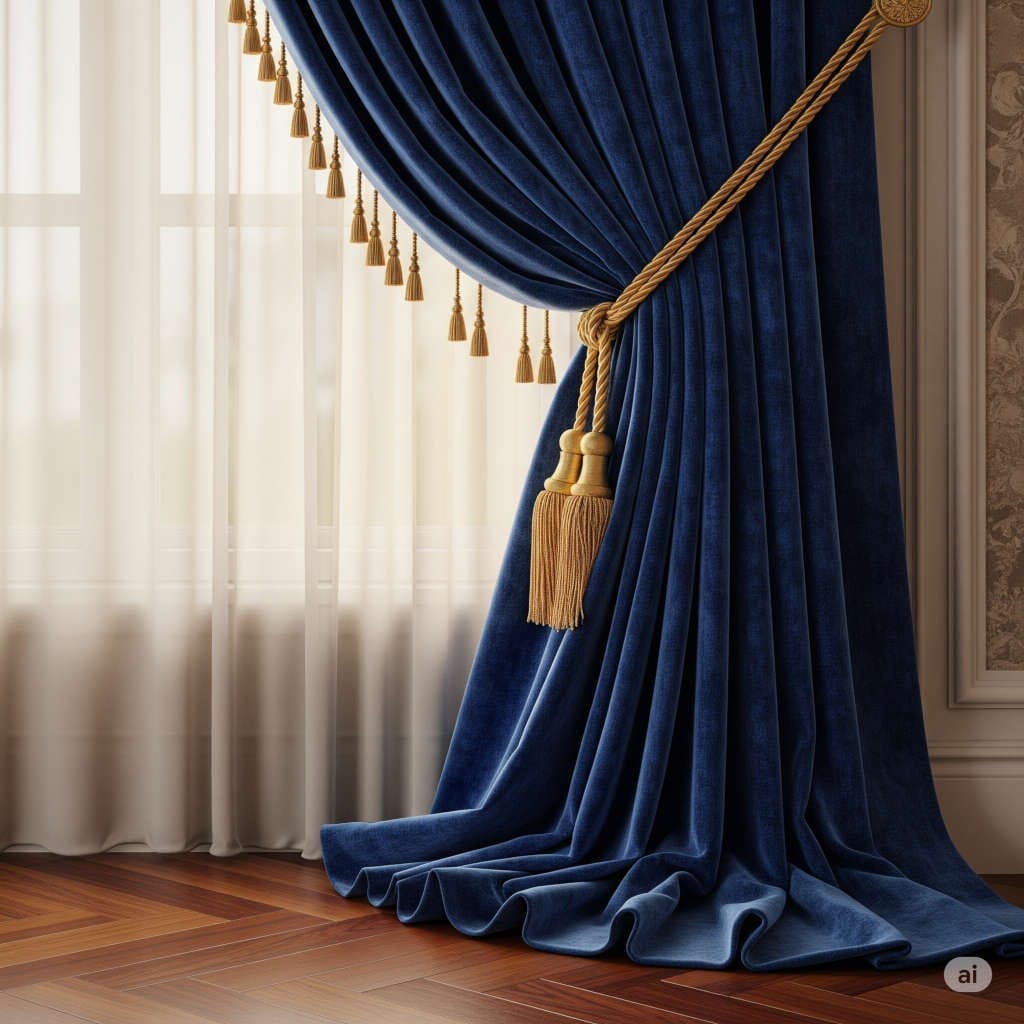
Choosing curtains might seem straightforward — find a fabric you like, pick a color, and hang them up, right? Not quite. One of the most overlooked (yet most important) factors in curtain shopping is length. The wrong length can throw off the proportions of a room, make your windows look awkward, or even cause functional issues.
The right length, on the other hand, can create elegance, make ceilings appear taller, and pull your whole design together.
This guide will walk you step-by-step through how to choose the perfect curtain length for your home — whether you’re aiming for classic, modern, casual, or dramatic vibes.
Why Curtain Length Matters
Before diving into numbers, let’s talk about why this choice matters so much.
- Visual Balance – Curtains frame your windows, and their length impacts how balanced and proportional your room feels.
- Room Height Illusion – Longer curtains that are mounted high above the window can make ceilings feel taller.
- Functionality – Too-short curtains may not fully block light or provide privacy, while overly long curtains might drag on the floor and collect dust.
- Style Statement – Certain lengths convey casual charm, others exude luxury.
Think of curtain length as tailoring for your home — the right fit elevates the whole look.
Standard Curtain Length Options
Curtain lengths typically fall into several common categories. Understanding these will help you quickly narrow down your choices.
1. Sill Length
- Where they end: Right at or just above the window sill.
- Best for: Kitchens, bathrooms, or windows above radiators/furniture.
- Pros: Functional in small spaces; avoids tangling with furniture.
- Cons: Can look informal or unfinished in living/dining rooms.
- Style tip: Works well with café curtains or casual cotton fabrics.
2. Apron Length
- Where they end: About 4 inches below the window sill.
- Best for: Windows where full-length curtains would be impractical (like above baseboard heaters).
- Pros: Slightly more formal than sill length but still functional.
- Cons: Doesn’t give the floor-to-ceiling elegance of longer drapes.
- Style tip: Use tailored pleats for a neater look.
3. Floor Length
- Where they end: Just brushing or slightly above the floor.
- Best for: Most living rooms, bedrooms, dining rooms.
- Pros: Timeless, polished, works for both casual and formal spaces.
- Cons: Requires precise measuring — too short looks accidental, too long may bunch awkwardly.
- Style tip: Perfect for minimalist and modern interiors.
4. Puddled Length
- Where they end: 1–12 inches pooling on the floor.
- Best for: Formal, romantic, or traditional rooms.
- Pros: Luxurious, dramatic effect.
- Cons: Can collect dust, trip hazard in high-traffic areas.
- Style tip: Works beautifully with heavy fabrics like velvet or silk.
Measuring for the Right Curtain Length
The golden rule: Always measure from where you’ll install the curtain rod — not from the window frame.
Step-by-Step Measuring Guide:
- Decide rod placement
- For a more elevated look, install the rod 4–6 inches above the window frame.
- For dramatic height illusion, go closer to the ceiling (even 8–12 inches above the frame).
- Measure to the desired endpoint
- Sill length → stop at the sill.
- Apron length → measure to 4 inches below sill.
- Floor length → measure to just touch the floor.
- Puddled length → measure to floor, then add extra inches for desired puddle effect.
- Account for curtain style
- Grommet curtains start hanging from the top edge of the fabric.
- Rod-pocket or pleated styles may sit slightly lower than the rod — factor in that extra drop.
- Double-check
- Measure twice, order once. Mistakes here can be costly.
How Room Type Affects Curtain Length Choice
Different rooms have different needs, both practical and aesthetic.
Living Room
- Best length: Floor or puddled.
- Why: Creates a polished, inviting look.
- Pro tip: Match curtain length with the formality of your décor — puddled for traditional elegance, floor length for modern simplicity.
Bedroom
- Best length: Floor or slight puddle.
- Why: Provides privacy and blocks light effectively.
- Pro tip: Use blackout liners for better sleep quality.
Dining Room
- Best length: Floor or slight puddle.
- Why: Adds sophistication and drama.
- Pro tip: Avoid puddles if chairs might snag on fabric.
Kitchen
- Best length: Sill or café curtains.
- Why: Keeps fabric away from cooking splatter.
- Pro tip: Light fabrics allow daylight while maintaining privacy.
Bathroom
- Best length: Sill or café curtains.
- Why: Prevents moisture damage and keeps floor clear.
- Pro tip: Use mildew-resistant materials.
Mounting Height and Its Impact
Length isn’t just about where the curtains end — it’s also about where they begin.
- Higher rod placement → elongates the wall visually.
- Rod width extension (3–6 inches beyond window on each side) → allows curtains to frame the window without blocking light.
Mounting your rod closer to the ceiling with full-length curtains can transform small windows into statement features.
Fabric Weight and How It Affects the Look
Curtain length interacts with fabric weight in surprising ways.
- Lightweight fabrics (linen, voile): Work well with breezy, casual looks — great for sill or floor lengths.
- Medium-weight fabrics (cotton blends): Versatile, suitable for most lengths.
- Heavy fabrics (velvet, brocade): Best for floor or puddled lengths to enhance drama.
Curtain Length and Interior Design Styles
Here’s how different lengths match different décor aesthetics:
| Style | Recommended Length | Why |
|---|---|---|
| Minimalist | Floor length | Clean, uncluttered lines |
| Traditional | Puddled | Formal elegance |
| Coastal | Floor or sill | Light, airy feeling |
| Bohemian | Puddled or varied | Relaxed, layered look |
| Modern Farmhouse | Floor length | Casual but polished |
Common Mistakes to Avoid
- Curtains too short – Creates a “high-water pants” effect.
- Ignoring rod height – Low placement can make ceilings look lower.
- Not accounting for shrinkage – Natural fabrics can shrink after washing.
- Over-puddling in busy areas – Looks messy and is a tripping hazard.
- Wrong length for function – Long drapes in the kitchen = cleaning nightmare.
Practical Tips for Curtain Shopping
- Order longer than you think you need — you can hem, but you can’t add fabric.
- Test with a bedsheet or spare fabric before committing to a length.
- Consider adjustable rods if you’re not sure about final placement.
- Buy all panels at once to avoid dye lot variations.
Final Thoughts
The “right” curtain length depends on:
- Your room’s function
- Your design style
- The practicalities of daily use
If in doubt, floor-length curtains are the safest, most versatile choice — they work in almost any space and style.
The perfect curtains should feel like a natural extension of your room, not an afterthought. By measuring carefully, understanding style effects, and thinking about both form and function, you can choose a length that elevates your entire home.