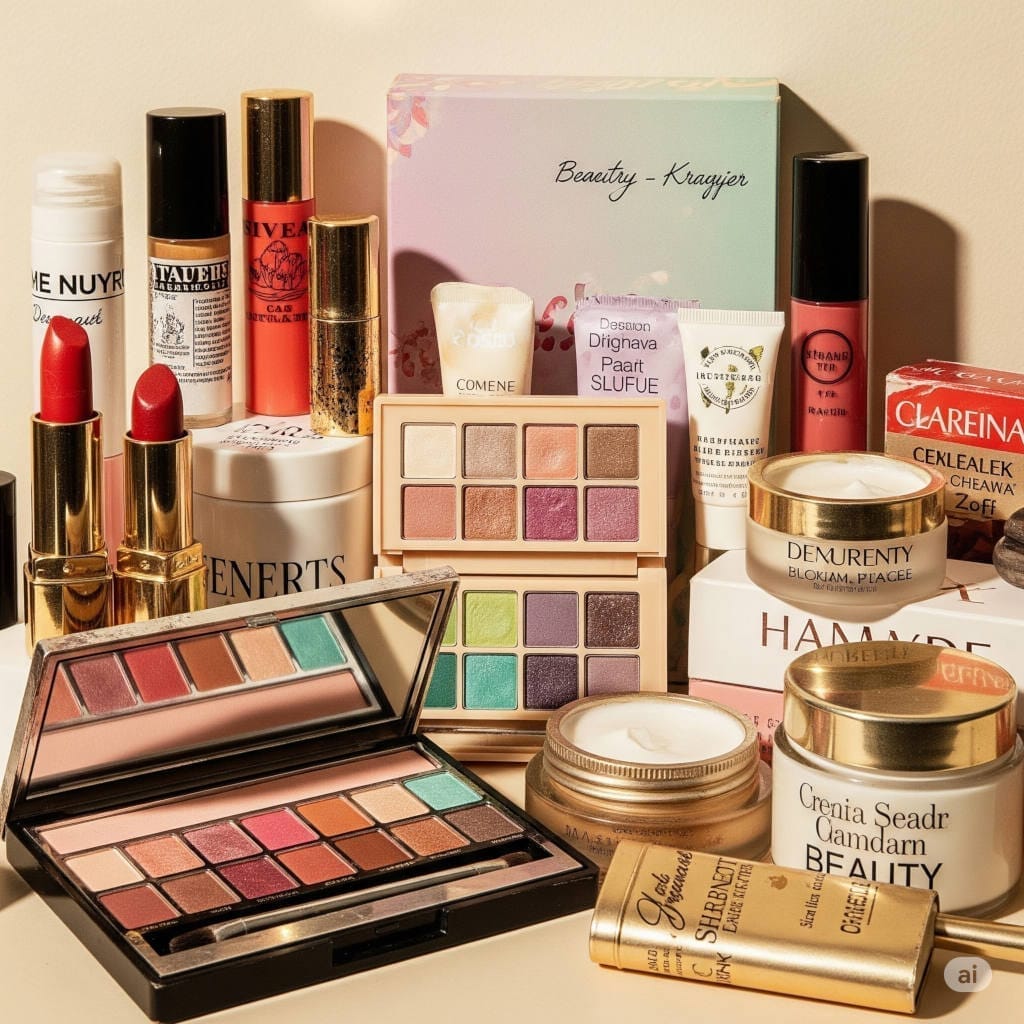
If you’ve ever walked into a store or clicked through your favorite beauty website only to find that your beloved product has disappeared—you’re not alone. It’s a universal beauty heartbreak. Whether it’s that lipstick that always pulled your look together, the foundation that perfectly matched your skin tone, or a moisturizer your skin actually liked, the discontinuation of a favorite product can feel like a genuine loss.
But here’s the good news: you don’t have to panic or give up. There are ways to find incredible alternatives—sometimes even better than the original. In this detailed guide, we’re walking you through everything you need to know about why beauty products get discontinued, how to cope, and most importantly, how to track down spot-on alternatives without wasting money or time.
So… Why Do Beauty Products Get Discontinued?
Before diving into solutions, let’s explore the reasons behind discontinuations. It might make the loss sting a little less.
- Low Sales
Even if you and a handful of others adore a certain product, it may not be a bestseller. Brands often discontinue products that don’t meet their sales targets to make room for new launches. - Ingredient Regulations
Beauty ingredients are constantly under review. If a certain ingredient is banned or restricted, the product may be pulled instead of reformulated. - Rebranding or Revamping
Sometimes, companies refresh their image or overhaul their formulas and packaging. When this happens, some products are cut. - Supply Chain Issues
Post-pandemic, raw material shortages and rising production costs have led to brands discontinuing products that are too expensive or difficult to make. - Seasonal or Limited Editions
Some products were only meant to be around temporarily—like a summer bronzer or a holiday lipstick. But when they hit cult status, the discontinuation feels personal.
Understanding the “why” won’t bring the product back, but it can help shift your mindset and get you ready to find a suitable replacement.
First Things First: Make Sure It’s Actually Gone
Before you launch into full panic mode, double-check that your product is actually discontinued. Here’s how:
- Visit the Brand’s Official Website
If it’s listed as “out of stock” but still has a product page, there’s a chance it may return. - Check the Brand’s Social Media or Email Newsletters
Many companies announce discontinuations or transitions via social media or direct email to subscribers. - Contact Customer Service
Don’t be shy about asking. A quick email or live chat can confirm whether your product is gone for good or just temporarily unavailable.
Once you’ve confirmed it’s discontinued, the search for the perfect replacement can begin.
What Made That Product So Special?
This is the most important step that many people skip. If you want to find something similar, you need to understand exactly what made your old favorite work so well for you.
Ask yourself:
- Was it the texture that worked so well with your skin?
- Did it have a certain ingredient that your skin loved?
- Were you obsessed with the shade, undertone, or finish?
- Did it have a smell, feel, or effect that you haven’t found elsewhere?
- Was it long-wearing, hydrating, matte, or lightweight?
Write this down. The more specific you are, the better your chances of finding a spot-on alternative.
Start With the Brand Itself
Before you wander too far, check with the brand that made your discontinued favorite. Brands often:
- Re-release cult favorites under a new name or formula.
- Offer updated versions (sometimes improved, sometimes not).
- Have similar products already in their lineup.
Send a message or search their site for similar items. A lot of times, they’ll even list what older product the new one replaces.
Ingredient-Based Duping: Especially for Skincare and Haircare
If your lost treasure is a skincare or haircare product, you’ll want to look beyond branding and focus on ingredients. Two products can look different on the outside but have nearly identical effects if their active ingredients are similar.
Here’s how to do that:
- Copy the Ingredient List from the discontinued product (often found on the packaging or a past product listing).
- Paste it into an ingredient decoding site, such as:
- Analyze the formula. Identify:
- The key actives (like niacinamide, hyaluronic acid, retinol, etc.)
- The base (cream, gel, oil, etc.)
- Fragrance or essential oils (if you’re sensitive)
- Search for other products with similar profiles. Use filters like “niacinamide 10%” or “fragrance-free gel moisturizer” to narrow down matches.
This technique works beautifully for serums, moisturizers, masks, and even shampoos.
Foundation and Concealer Alternatives: The Undertone Game
Replacing a foundation or concealer? You’re not alone—this is one of the most nerve-wracking product types to lose. Matching shade, undertone, finish, and texture is a big deal.
Here’s how to streamline the process:
- Use Findation (findation.com): Enter the shade of your old foundation, and it’ll give you matches across hundreds of other brands.
- Try MatchMyMakeup.com: This tool is surprisingly accurate and helpful for undertone matching.
- Temptalia’s Foundation Matrix: Highly detailed, especially helpful for MAC, NARS, and other pro brands.
Pro Tip: Always patch test your match before committing. Lighting, skin type, and application methods all affect how a product wears on you.
Makeup Dupes: Eyeshadows, Lipsticks, Blushes, and More
For color cosmetics like lipstick, blush, and eyeshadow, you want to match three key elements:
- Color/Shade
- Finish/Texture
- Wear time and formula
You don’t have to reinvent the wheel—there are some phenomenal resources online dedicated to this exact challenge:
- Temptalia’s Dupe Finder: By far the best tool for shade-based comparisons. Her swatches and formula breakdowns are gold.
- Pinterest and Instagram: Search terms like
#dupealert,#makeupdupe, or even"[Product Name] dupe". Creators often post side-by-side comparisons. - Reddit: Subreddits like r/MakeupAddiction and r/IndieMakeupandMore are treasure troves of user-tested dupes.
- YouTube: Many beauty creators post dedicated dupe videos, including swatch tests and wear tests.
Note: If your favorite was a limited edition, especially from MAC, Urban Decay, or ColourPop—there’s a high chance someone has already found a dupe and posted about it.
Consider Indie and Clean Beauty Brands
When major brands discontinue fan favorites, indie and niche beauty brands often step in. Some smaller companies specialize in recreating classic shades or formulas that bigger companies have retired.
Examples:
- MyBeautyBrand
- Clionadh Cosmetics
- Sydney Grace
- Shiro Cosmetics
These brands are highly responsive to customer feedback, and some even take custom orders or requests for dupes.
Likewise, the clean beauty world has grown significantly. If you’re replacing something that irritated your skin or contained questionable ingredients, this might be the perfect time to explore safer, more sustainable options.
What About Fragrance Dupes?
Fragrances are notoriously hard to dupe—there’s an artistry and chemistry behind scents that’s difficult to recreate. But if your signature scent is gone, you do have some solid options.
Start by:
- Visiting Fragrantica.com, which breaks down perfume notes and offers alternatives.
- Exploring brands like Dossier, ALT. Fragrances, Zara, and Oil Perfumery, which specialize in inspired-by versions of designer scents.
- Looking into indie perfumers on Etsy, where creators often make small-batch versions of discontinued perfumes.
You can also search perfume Reddit threads and TikTok for reviews and comparisons.
Community Is Everything
One of the most powerful tools you have in this journey? Other beauty lovers. The online beauty community is filled with people who’ve gone through exactly what you’re dealing with—and many have already found solutions.
Here are some active communities where you can ask for help or read existing threads:
- Facebook Groups
- “Makeup Dupes & Alternatives”
- “Skincare Nerds”
- “Beauty Rehab”
- Discord Beauty Servers (many niche beauty servers exist with real-time advice and reviews)
And remember: if you find a great dupe, share it! You might be the hero someone else is desperately searching for.
Tips for Transitioning to a New Product
Okay, so you’ve found a possible alternative—maybe even a few. Now what?
Here’s how to smoothly make the switch:
- Test It First
Buy a mini size or sample if possible. Many retailers and indie brands offer smaller versions for testing. - Patch Test—Always
Especially for skincare and haircare. You don’t want to trade in your perfect product for a breakout. - Compare Under Different Lighting
A foundation or lipstick that looks perfect in store lighting may not be as flattering in daylight. Test it in various environments before fully committing. - Give It Time
Skincare especially takes a few weeks to show results. Don’t be too quick to judge. - Mix to Match
Sometimes two products can be layered to recreate the effect of one. A shimmery eyeshadow layered over a matte base, or a serum under a lighter moisturizer, might do the trick. - Keep Track
Take notes or photos of what worked and what didn’t. It’ll help you fine-tune future choices.
Embrace the Silver Lining
Losing a beloved product isn’t fun—but it’s also a chance to discover something even better. Brands are constantly innovating. New textures, cleaner formulations, better wear times, and more inclusive shade ranges emerge every year.
So while it may feel like the end of the world when your perfect lipstick vanishes or your ride-or-die serum disappears, trust that the beauty world is vast. With a little research and community support, you’ll find something that’s just as good—or maybe even better.
Final Thoughts
Being a beauty lover means living in a world of constant change. Products launch and vanish, brands reformulate, trends evolve. It can be frustrating—but it also means we’re always exploring, discovering, and experimenting.
If you’ve lost your favorite product, take heart: there’s a world of options out there. With the right tools, communities, and mindset, finding your next holy grail is just a few clicks away.
So go ahead—honor your discontinued favorite. Then start your next chapter. Your future favorite might just be waiting to be found.
Have you found an amazing dupe or replacement? Share your discoveries in the comments! Someone out there needs your advice. 💄💬