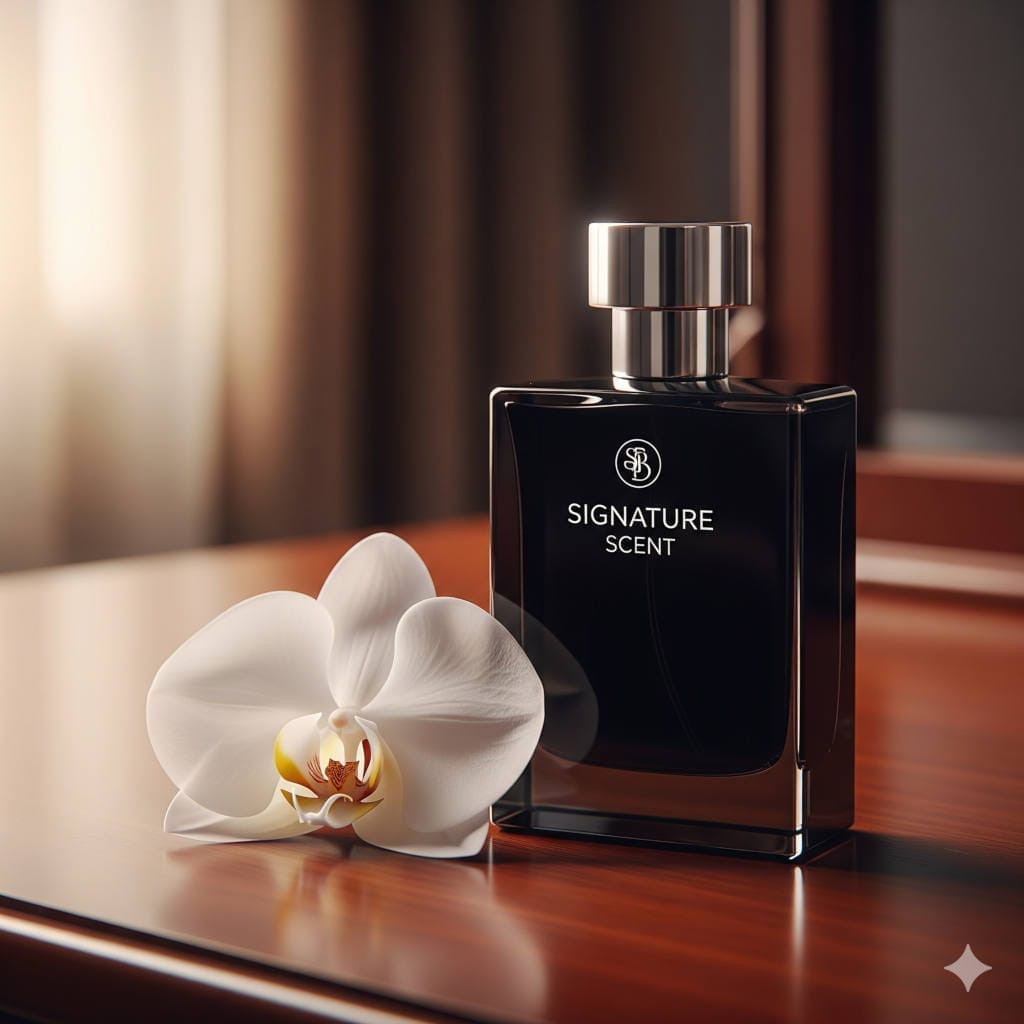
Finding a signature scent is a little like finding the perfect pair of shoes or that one outfit that always makes you feel like yourself. A fragrance isn’t just a pleasant aroma—it’s a subtle, invisible accessory that speaks volumes about who you are. It can boost your confidence, trigger emotions, and leave behind an unforgettable impression.
But here’s the tricky part: with thousands of perfumes and colognes on the market, how do you pick one that feels like you? Many of us have walked into a department store, sprayed ten different testers, and walked out more confused than when we went in.
If that sounds familiar, don’t worry. In this guide, we’ll take a deep dive into how to choose a signature scent that matches your personality, your lifestyle, and even your skin’s chemistry. We’ll cover the basics of fragrance, practical tips for shopping, common mistakes to avoid, and advanced strategies for curating a personal fragrance wardrobe.
By the end, you’ll be equipped not just to find a perfume you like—but one that feels like an extension of your identity.
Why Having a Signature Scent Matters
Think of your fragrance as your personal calling card. Long after you’ve left a room, people can still remember your scent. A well-chosen perfume can:
- Make you memorable. Scent is closely tied to memory. People often recall someone by the way they smell.
- Express your personality. Are you playful, mysterious, elegant, or adventurous? Your scent can show it without saying a word.
- Boost your mood. Wearing a fragrance you love can instantly lift your spirits or make you feel more put together.
- Create rituals. Spritzing your perfume before work, a date, or bedtime can become a grounding routine.
- Strengthen relationships. Loved ones often associate certain scents with you, deepening emotional bonds.
Your fragrance becomes part of your identity—just like your smile, your style, or the way you laugh.
Understanding the Language of Perfume
Before you can confidently choose a scent, it helps to understand the basics.
1. Fragrance Families
Perfumes are grouped into families based on their dominant characteristics. Here are the main ones:
- Floral: Roses, jasmine, lilies—romantic, feminine, and timeless.
- Woody: Sandalwood, cedar, patchouli—warm, grounding, and often unisex.
- Oriental/Amber: Vanilla, spices, incense—mysterious, exotic, and sensual.
- Fresh: Citrus, green leaves, oceanic notes—energetic, clean, and refreshing.
- Gourmand: Sweet, edible notes like caramel, coffee, or chocolate—playful and cozy.
- Chypre (Sheep-ra): A classic blend of citrus top notes with mossy and earthy bases—sophisticated and elegant.
Knowing which family you gravitate toward will narrow your search tremendously.
2. Fragrance Notes
Perfume is like a musical composition. It’s built in three layers called notes:
- Top notes: The opening impression, light and fresh, lasting 5–15 minutes. Think citrus, herbs, or fruits.
- Heart (middle) notes: The core personality, emerging after the top notes fade. Usually florals, spices, or green notes.
- Base notes: The lasting foundation, often musky, woody, or sweet. These can linger for hours or even days.
3. Concentration Levels
Fragrance strength varies depending on concentration:
- Eau de Cologne (EDC): Light, subtle, lasts 1–2 hours.
- Eau de Toilette (EDT): Great for everyday wear, lasts 3–4 hours.
- Eau de Parfum (EDP): Richer, more noticeable, lasts 6–8 hours.
- Parfum/Extrait: The most concentrated and long-lasting (12–24 hours).
How Body Chemistry Affects Perfume
One of the most fascinating things about fragrance is how differently it smells on each person. What works on your friend might smell completely different on you. That’s because:
- Skin type: Oily skin tends to hold scent longer, while dry skin may cause it to fade faster.
- Diet: Spicy foods, garlic, and even caffeine can influence how a perfume interacts with your natural scent.
- Hormones: Stress or hormonal cycles can subtly shift how a fragrance develops.
- Climate: Heat intensifies perfume, while cold air slows down its evaporation.
This is why testing on your skin is crucial. A bottle that smells amazing on paper might disappoint when sprayed on your wrist.
Step-by-Step Guide to Choosing Your Signature Scent
Step 1: Reflect on Your Personality and Lifestyle
Ask yourself: What do I want my fragrance to say about me?
- If you’re romantic, go for florals like peony, rose, or gardenia.
- If you’re adventurous, explore woody or smoky scents with hints of leather.
- If you’re energetic, try citrus, oceanic, or green notes.
- If you’re sophisticated, lean toward oriental or chypre blends.
- If you’re playful, experiment with gourmand scents like vanilla or caramel.
Your lifestyle also matters. Someone working in a corporate office may prefer subtle, clean fragrances, while an artist or traveler may embrace bold, unconventional ones.
Step 2: Do Your Research
Before hitting the perfume counter, make a shortlist. Browse fragrance websites like Fragrantica or Basenotes, read reviews, and note down perfumes that catch your interest.
Look for:
- Scent family and note breakdown.
- Longevity and projection (how far the scent carries).
- Seasonal suitability.
Step 3: Test Before You Buy
This is the fun part—but it can get overwhelming if you’re not strategic.
- Start small. Limit yourself to 3–4 perfumes per shopping trip.
- Use blotter strips first. Narrow your options before spraying on skin.
- Test on skin. Spray one fragrance per wrist; don’t overload.
- Wait it out. Walk around for at least 30 minutes to experience the full evolution.
- Check longevity. See how it smells hours later before making a decision.
Pro tip: Bring a small notebook or use your phone to jot down your impressions. After testing multiple scents, it’s easy to forget which was which.
Step 4: Narrow It Down
After testing, ask yourself:
- Does this scent feel natural on me?
- Do I enjoy how it evolves throughout the day?
- Could I see myself wearing this often without getting bored?
- Does it spark a positive emotion—confidence, comfort, or joy?
If the answer is yes, you may have found your signature.
Practical Tips for Finding The One
- Shop in the morning. Your nose is fresher before being exposed to daily odors.
- Reset your sense of smell. Sniff coffee beans or your own sleeve between fragrances.
- Consider the seasons. Light, citrusy scents shine in summer, while spicy or woody perfumes are perfect for winter.
- Think about occasions. Will this be an everyday scent, a romantic fragrance, or one for special events?
- Try before you buy. Start with a sample or travel size before committing to a full bottle.
Common Mistakes to Avoid
- Deciding too quickly. Perfume needs hours to fully reveal itself.
- Over-spraying. Your fragrance should draw people in, not overwhelm them.
- Following trends blindly. Just because a perfume is popular doesn’t mean it’s right for you.
- Ignoring concentration. If your scent fades too quickly, you might need a stronger formula.
- Buying blind online. Unless you know the brand or family well, always test first.
Building a Personal Fragrance Wardrobe
Even if you find your signature scent, it doesn’t mean you’re stuck with just one bottle. Many fragrance lovers build a fragrance wardrobe—different scents for different moods, occasions, and seasons.
Here’s a simple example:
- Everyday/work: Clean, subtle scents like citrus or powdery florals.
- Evening/date nights: Bold, seductive oriental or gourmand fragrances.
- Special occasions: Luxurious niche perfumes with unique character.
- Casual weekends: Fun, fruity, or fresh aquatic scents.
This way, your signature scent is the backbone, but you still have options to play with.
How to Care for Your Perfume
Once you’ve found your signature fragrance, you’ll want to preserve its quality. Perfume is delicate, and improper storage can cause it to spoil.
- Keep bottles away from sunlight. Direct light can break down the formula.
- Avoid heat and humidity. Store in a cool, dry place—bedroom drawers work better than bathrooms.
- Don’t shake the bottle. It can trap air bubbles and damage the fragrance.
- Use within 3–5 years. Most perfumes last well if stored properly, but they aren’t eternal.
Examples of Popular Signature Scents
If you’re looking for inspiration, here are some iconic fragrances many people have claimed as their signature:
- Chanel No. 5 (Floral Aldehydic): The classic definition of elegance.
- Dior Sauvage (Aromatic Woody): A modern bestseller that’s bold and versatile.
- YSL Black Opium (Gourmand): Coffee and vanilla in a seductive blend.
- Jo Malone Lime Basil & Mandarin (Fresh Citrus): Crisp, modern, unisex.
- Le Labo Santal 33 (Woody Spicy): A cult favorite with a unique, memorable profile.
Of course, the best scent for you might not be iconic or popular—it might be something niche, affordable, or unexpected.
The Emotional Side of Fragrance
Perfume isn’t just about smell—it’s about memory and emotion.
- Maybe a fragrance reminds you of your grandmother’s rose garden.
- Maybe citrus scents take you back to a summer vacation.
- Maybe vanilla makes you feel comforted and safe.
The right perfume should do more than smell nice—it should feel like a piece of your story.
Final Thoughts
Choosing a signature scent is less about following rules and more about discovering yourself through fragrance. It’s a personal journey that requires patience, curiosity, and an open mind.
Take your time, test widely, and trust your instincts. The perfect fragrance for you isn’t necessarily the most expensive or trendy—it’s the one that makes you feel the most you.
And when you find it? You’ll know. It will feel like slipping into your favorite outfit or hearing your favorite song—it just clicks.